

Property management best practices for South Wales landlords

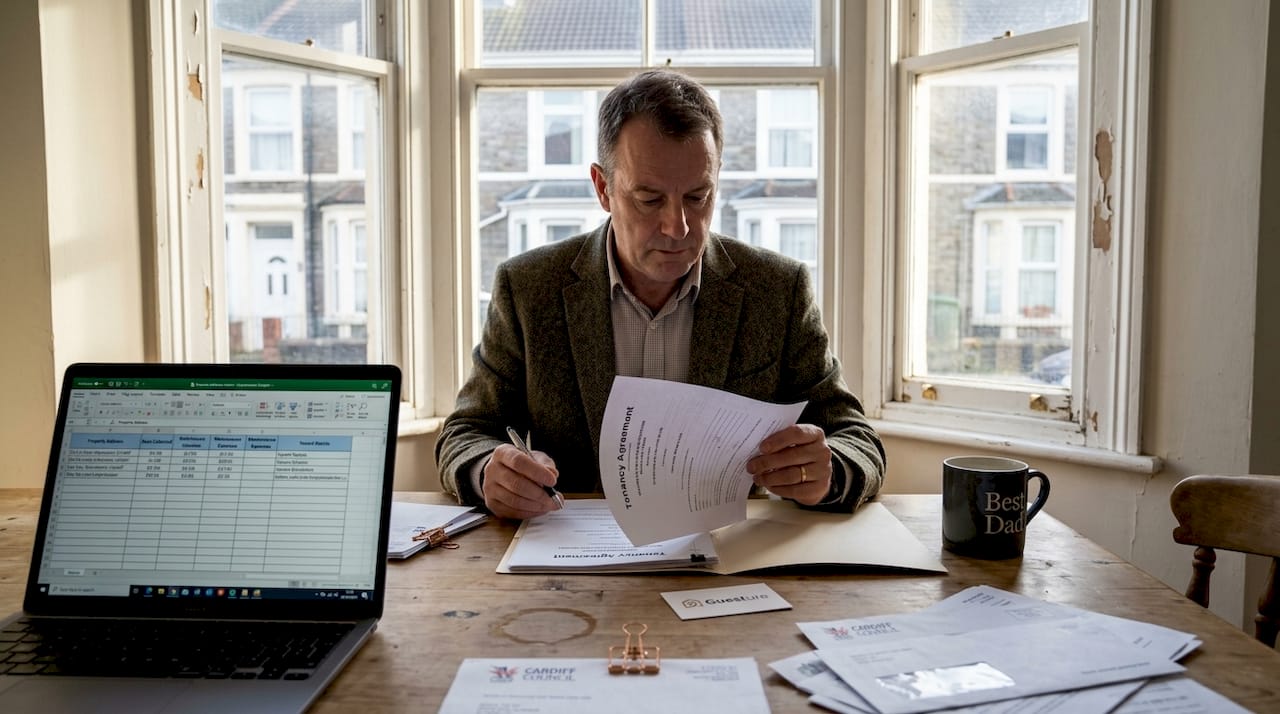
Managing short-term rentals in South Wales presents unique challenges that can overwhelm even experienced landlords. Between fluctuating demand, new Welsh licensing requirements, and rising guest expectations, property owners often struggle to maintain consistent occupancy and revenue. However, landlords who implement proven best practices see dramatically improved performance. This article outlines the essential strategies South Wales landlords need to optimise income, ensure compliance, and deliver exceptional guest experiences that drive repeat bookings and positive reviews.
Table of Contents
Key Takeaways
Point | Details |
Dynamic pricing benefits | Dynamic pricing algorithms adjust rates with demand, delivering higher revenue than fixed pricing. |
Multi channel visibility | Listing across numerous platforms increases exposure to diverse guest segments and maximises occupancy. |
Welsh licensing compliance | Registration and ongoing safety compliance are now mandatory, adding administrative burden and costs to operations. |
Technology driven efficiency | Integrating property management systems, pricing tools and channel managers reduces manual workload and harmonises operations. |
Guest experience impact | Quality guest experiences drive reviews and repeat bookings. |
Criteria for effective short-term rental management
Successful short-term rental management in South Wales requires balancing multiple competing priorities. You need to optimise three core metrics simultaneously: occupancy rate, average daily rate, and guest satisfaction scores. Dynamic pricing and multi-channel distribution are key to achieving benchmark occupancies over 50%, particularly in competitive markets like Cardiff and Newport. The Cardiff short-term rental market shows significant variation in performance based on management approach.
Compliance represents another critical dimension. Welsh licensing regulations now mandate registration and ongoing safety compliance, adding administrative burden and costs that must be factored into your operational model. Technology integration through property management systems, dynamic pricing tools, and channel managers can dramatically reduce manual workload whilst maintaining consistency across platforms.
The most effective landlords evaluate their management approach against these criteria:
Revenue optimisation through pricing strategy and distribution reach
Regulatory compliance with Welsh licensing and safety requirements
Operational efficiency via technology and standardised processes
Guest experience quality measured through reviews and repeat booking rates
Cost control balancing service quality with profitability targets
Understanding these evaluation criteria helps you assess which best practices will deliver the greatest impact for your specific property and circumstances.
Best practice 1: applying dynamic pricing and multi-channel listing
Static pricing leaves substantial revenue on the table. Properties using dynamic pricing algorithms adjusting rates based on demand consistently outperform those with fixed rates by 15-30%. These algorithms react automatically to local events, seasonal patterns, and competitor pricing. When Cardiff hosts international rugby matches or Newport holds major conferences, dynamic pricing captures premium rates that manual adjustments often miss.
Multi-channel distribution amplifies this effect. Listing your property across 300+ online travel agencies through a channel manager ensures maximum visibility to diverse guest segments. Some travellers exclusively use Booking.com, whilst others prefer Airbnb or Vrbo. By maintaining presence across all major platforms, you capture demand that single-channel listings never see.
Professional photography and compelling descriptions convert browsers into bookers. Invest in high-quality images showcasing your property’s best features and local attractions. Write descriptions that speak directly to your target guest, whether business travellers seeking proximity to Cardiff city centre or families wanting coastal access near Barry Island.
Consistency across channels prevents the nightmare of double bookings whilst maintaining your reputation. A quality channel manager synchronises availability in real time, automatically blocking dates when bookings occur on any platform. This seamless coordination protects both your calendar and guest relationships.
Pro Tip: Review your pricing strategy weekly during peak season and monthly during quieter periods. Local events can emerge with short notice, and competitors frequently adjust their rates. Staying responsive ensures you never miss revenue opportunities.
Implementing these distribution and pricing strategies through property listing services typically increases bookings by 25-40% compared to single-platform approaches. The combination of dynamic pricing and broad distribution creates a powerful revenue engine that works continuously without constant manual intervention. Professional short-term property management services handle this complexity systematically, ensuring your property always presents optimally across all channels.
Best practice 2: ensure compliance with Welsh licensing and regulations
Welsh licensing requirements fundamentally changed the short-term rental landscape in 2026. Mandatory registration with the Welsh Revenue Authority now applies to all visitor accommodation, including short-term rentals. The licensing scheme passed in March 2026 imposes annual fees around £172, plus compliance costs reaching £556 for required safety checks. These aren’t optional expenses; they’re legal prerequisites for operating.
Non-compliance carries serious consequences. Operating without proper registration exposes you to penalties, potential closure orders, and reputational damage that can permanently harm your business. Local authorities actively enforce these requirements, and guests increasingly verify licensing status before booking. Properties displaying valid registration numbers gain trust and bookings, whilst unlicensed competitors face growing scrutiny.
The regulatory burden particularly affects smaller operators who lack dedicated compliance resources. Industry bodies have expressed concern about these costs, noting they may push some landlords out of the short-term rental market entirely. However, viewing compliance purely as cost misses the strategic advantage it provides.
“Proactive compliance demonstrates professionalism that discerning guests value. Properties that transparently display licensing credentials and safety certifications often command premium rates and attract higher-quality bookings.”
Practical compliance steps include:
Registering with the Welsh Revenue Authority before the October 2026 deadline
Scheduling required safety inspections for gas, electrical, and fire safety systems
Maintaining current public liability insurance coverage
Documenting all compliance activities for inspection readiness
Budgeting annual compliance costs into your financial projections
Professional short-term property management services handle compliance systematically, ensuring you meet all requirements whilst focusing on revenue generation. They maintain current knowledge of evolving regulations and implement necessary changes before deadlines, protecting your operation from disruption.
Best practice 3: prioritise professional cleaning and maintenance
Cleanliness directly determines your review scores, and review scores directly determine your bookings. Guests tolerate almost nothing when it comes to cleanliness standards. A single hair in the shower or dust on surfaces can trigger negative reviews that cost you dozens of future bookings. Professional cleaning and maintenance after every stay, with quality checks and consumables inventory management, forms the foundation of guest satisfaction.
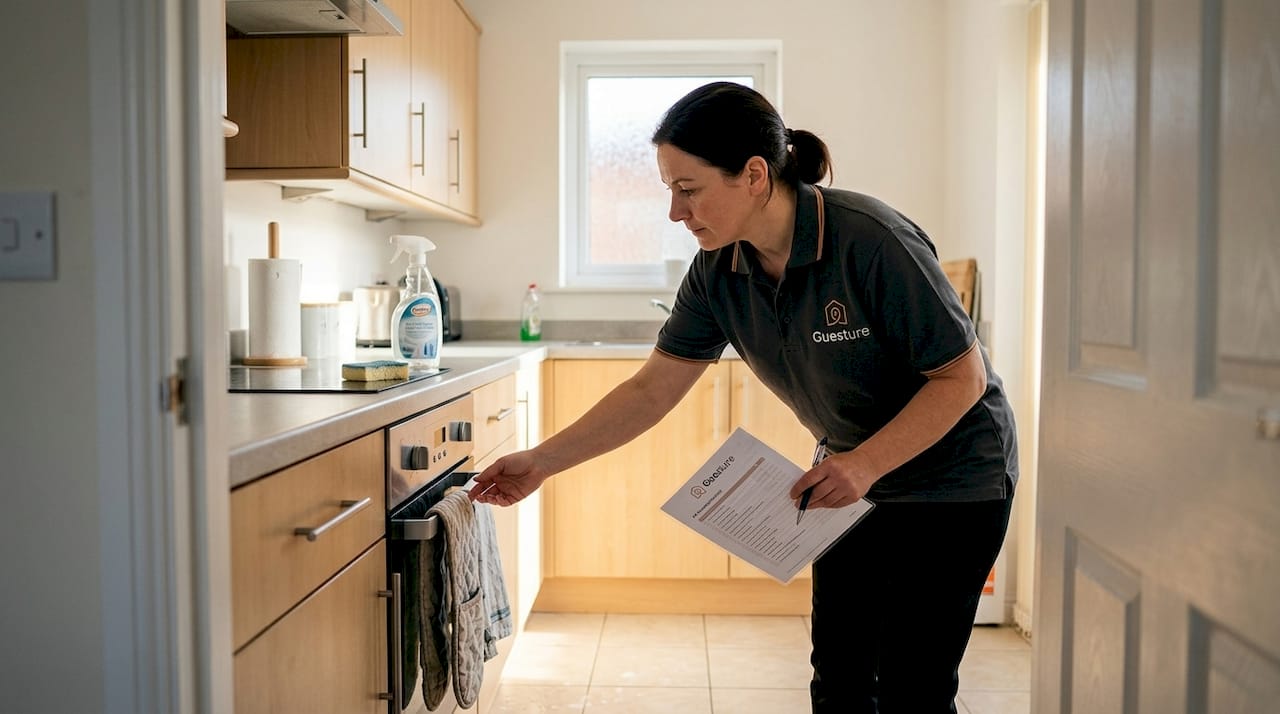
Establishing rigorous cleaning protocols ensures consistency regardless of turnover frequency. Your cleaning checklist should cover every surface, fixture, and amenity systematically. High-touch areas like door handles, light switches, and remote controls require particular attention. Linens must be hotel-quality and professionally laundered between every guest, never reused even if they appear clean.
Maintenance prevents small issues becoming guest complaints and costly emergency repairs. Regular inspections identify worn fixtures, failing appliances, and cosmetic damage before guests encounter them. Addressing these proactively maintains your property’s appeal whilst avoiding negative reviews and compensation requests.
Inventory management often gets overlooked but significantly impacts guest experience. Running out of toilet paper, coffee, or cleaning supplies creates unnecessary friction. Systematic restocking between stays ensures guests always find what they need, contributing to the seamless experience that generates five-star reviews.
Quality checks provide the final verification before each guest arrives. Walking through the property with a detailed checklist catches anything cleaners missed and confirms everything functions properly. This final inspection represents your last opportunity to ensure perfection.
Pro Tip: Photograph your property after each cleaning and quality check. These timestamped images provide documentation if guests make false damage claims, protecting you from unjustified charges and disputes.
Guest satisfaction drives repeat bookings, which are significantly more profitable than acquiring new guests. Professional guest communications and booking management combined with impeccable property standards create the conditions for guests to return repeatedly, reducing your marketing costs whilst increasing lifetime value.
Comparing short-term property management approaches in South Wales
Choosing the right management approach fundamentally shapes your short-term rental performance and workload. Short-term rentals can yield 80-200% more revenue than long-term tenancies, but require substantially more active management. Understanding the trade-offs between different approaches helps you select the model that aligns with your goals, available time, and risk tolerance.
Self-management offers maximum control and lowest direct costs but demands significant time investment. You handle all guest communications, coordinate cleaning and maintenance, manage pricing and listings, and resolve issues personally. This works well for landlords with single properties, local presence, and hospitality experience. However, it becomes overwhelming when managing multiple properties or lacking time for rapid guest responses.
Hybrid models combining short-term and long-term lets provide income stability whilst capturing premium short-term rates during peak periods. You might rent long-term during winter months when short-term demand drops, then switch to nightly rentals for summer and major events. This approach reduces vacancy risk but requires careful lease structuring and transition planning.
Full-service professional management maximises revenue whilst minimising your workload. Management companies handle everything from listing optimisation and dynamic pricing to guest communications, cleaning coordination, and maintenance management. Fees typically range from 15-25% of revenue, but the increased bookings and rates often more than offset this cost. Services like Guesture versus Propertri offer varying technology integration, service scope, and pricing models worth comparing.
Management approach | Revenue potential | Time commitment | Technology requirements | Best suited for |
Self-management | Moderate to high | 15-20 hours/week | Basic PMS and pricing tools | Single property, local owners with time |
Hybrid short/long-term | Moderate | 10-15 hours/week | Minimal | Risk-averse owners seeking stability |
Full-service professional | High | 2-5 hours/week | Managed by service provider | Multiple properties, remote owners, scaling operations |
Technology-assisted self-management | Moderate to high | 8-12 hours/week | Advanced PMS, channel manager, pricing automation | Tech-savvy owners wanting control with efficiency |
Your choice should reflect your specific circumstances. Remote owners with limited local presence benefit enormously from professional management, whilst hands-on landlords with hospitality backgrounds might prefer self-management with technology assistance. The key is honestly assessing your available time, expertise, and growth ambitions before committing to an approach.
Partner with experts who understand South Wales rentals
Implementing these best practices simultaneously whilst managing daily operations can overwhelm even experienced landlords. You’re juggling pricing optimisation, compliance requirements, guest communications, cleaning coordination, and maintenance management across multiple properties and platforms. This complexity explains why many South Wales landlords partner with specialists who handle these operational details systematically.
Guesture provides complete short-term rental management for Cardiff, Newport, and surrounding South Wales areas. We implement all the best practices outlined in this article through robust systems and local expertise. Our dynamic pricing algorithms, multi-channel distribution, professional cleaning protocols, and compliance management deliver consistently higher performance whilst reducing your workload to occasional reporting reviews. We handle everything from initial property setup and listing optimisation through ongoing guest communications, turnover coordination, and maintenance management. Our technology integrations and standardised processes ensure your property performs at its potential whilst you focus on strategic decisions rather than daily operations. Discover how our short-term property management services can transform your rental performance.
Frequently asked questions
What occupancy rate should I target for my South Wales short-term rental?
Aim for 50-65% annual occupancy in competitive South Wales markets like Cardiff and Newport. Premium properties with professional management often exceed 70% during peak seasons.
How much do Welsh licensing requirements cost annually?
Expect around £172 in annual licensing fees plus up to £556 for mandatory safety compliance checks. Budget approximately £730 total for ongoing regulatory compliance in Wales.
Should I manage my short-term rental myself or hire professionals?
Self-management works for single properties with local, available owners. Multiple properties, remote ownership, or limited time make professional management more profitable despite the 15-25% fee.
How does dynamic pricing improve short-term rental revenue?
Dynamic pricing automatically adjusts rates based on demand, seasonality, and local events, typically increasing revenue by 15-30% compared to static pricing strategies.
What cleaning standards do guests expect in short-term rentals?
Guests expect hotel-quality cleanliness with fresh linens, spotless bathrooms, dust-free surfaces, and fully stocked consumables. Professional cleaning after every stay is essential for positive reviews.
Recommended


Comments