

Pet-Friendly Accommodation Checklist for Stress-Free Stays

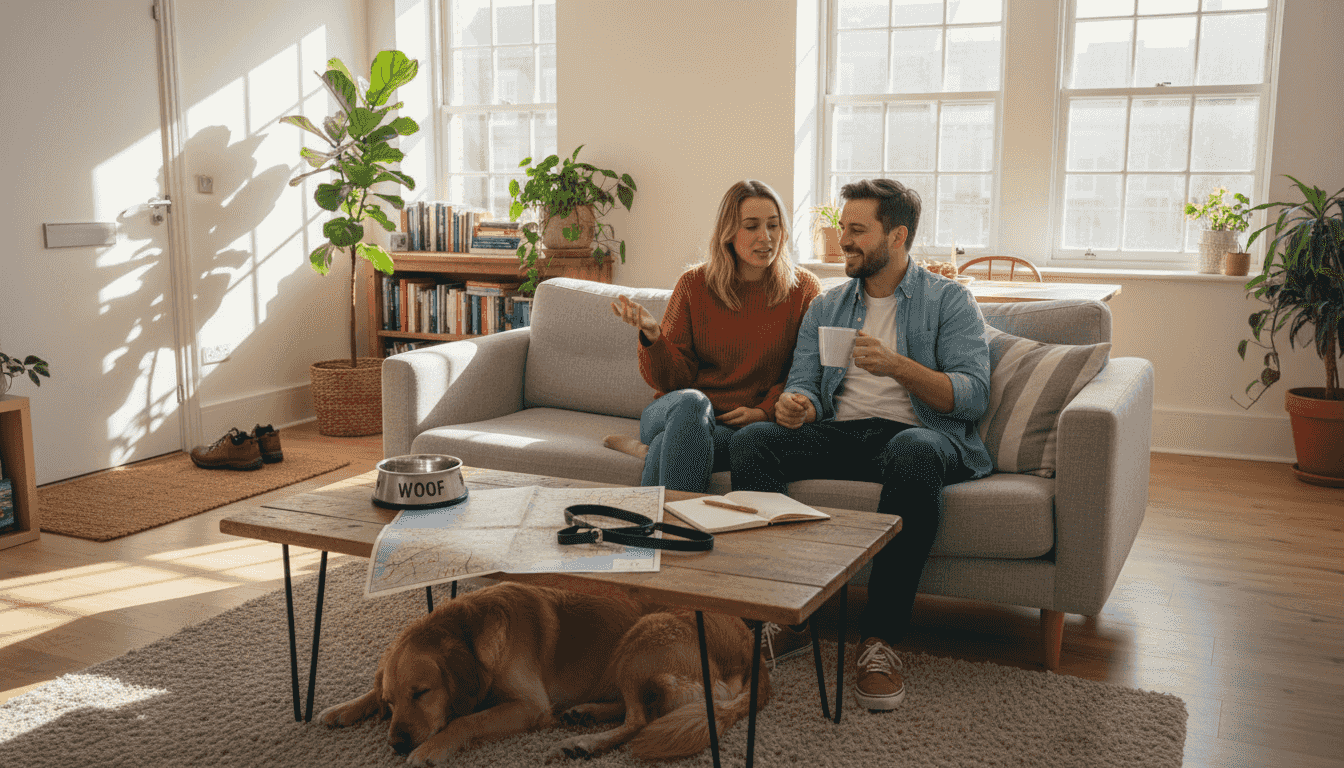
Securing the perfect getaway in Cardiff or Newport is thrilling but brings unique challenges when your pet is part of the journey. Safety checks and proper amenities matter as much as finding a welcoming property. This guide offers pet-friendly accommodation solutions that cover everything from safety features to clear policies, helping you enjoy a worry-free stay with your furry companion in South Wales.
Table of Contents
Quick Summary
Key Insight | Explanation |
1. Ensure comprehensive pet safety checks | Conduct thorough inspections both indoors and outdoors to identify hazards and make necessary adjustments before your pet arrives. |
2. Create designated pet amenities | Set up a comfortable sleeping area, secure food and water stations, and provide toys for mental stimulation to enhance your pet’s living environment. |
3. Establish clear pet policies | Document and communicate specific rules regarding pet behaviour, noise levels, and responsibilities regarding damage to avoid misunderstandings. |
4. Maintain high cleanliness standards | Implement a pre-arrival cleaning checklist focused on pet areas and regularly inspect for maintenance issues to ensure guest satisfaction and safety. |
5. Document and communicate everything | Keep records of inspections, cleaning, and policies, and maintain open lines of communication with guests to address any concerns promptly. |
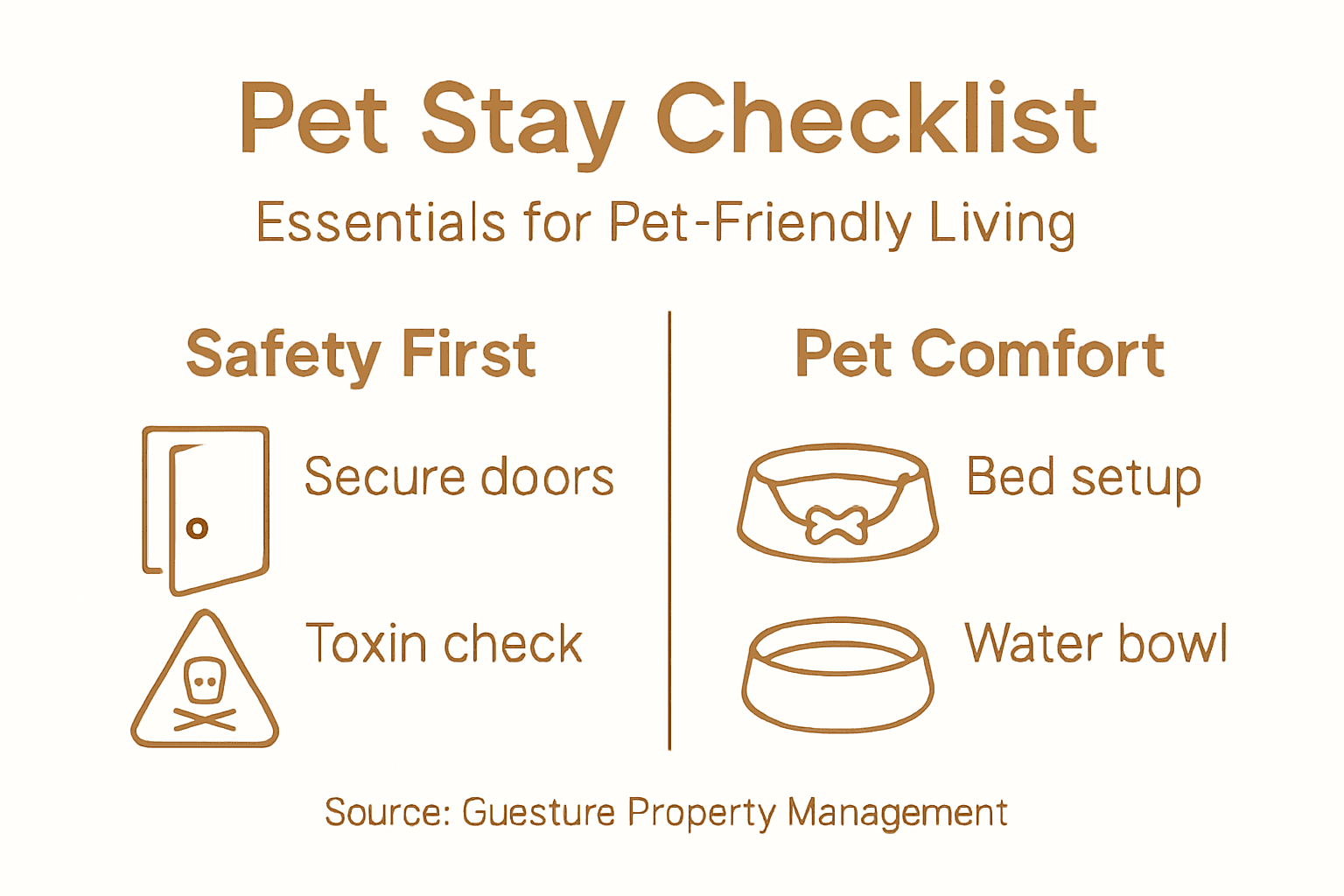
Step 1: Assess property for essential pet safety features
Before welcoming your furry companion to a new home, you need to conduct a thorough safety check. This step ensures the accommodation poses no risks to your pet and protects the property from damage. Think of it as a pre-arrival inspection that gives you peace of mind.
Start by examining the outdoor spaces first. Check for gaps in fencing where smaller animals might escape, loose boards that could splinter, or poisonous plants like foxgloves and yew that are common in Welsh gardens. Walk the perimeter slowly, testing fence stability and looking for any sharp objects or broken areas.
Next, move indoors and scan each room for hazards. Here’s what to look for:
Electrical cords left exposed or trailing across floors
Cleaning supplies stored at pet level instead of locked away
Small objects like coins or buttons that could be swallowed
Unstable furniture that might topple if climbed or jumped upon
Access to stairs without safety gates for young or elderly pets
Assessing essential pet safety features now prevents accidents and emergency vet visits later.
Doors and windows deserve careful attention. Ensure they close properly and cannot be forced open by an anxious pet. Check window locks are functional, particularly in upstairs rooms where escape attempts could be fatal.
Look at the flooring throughout. Slippery tiles can cause hip dysplasia in larger dogs, whilst loose rugs become tripping hazards. Note any areas with uneven surfaces where pets might stumble.
Check kitchen areas thoroughly for food storage and access to bins. Certain human foods like chocolate, grapes, and xylitol-containing products are toxic to pets and must be secured out of reach.
Finally, verify that emergency contact numbers for local vets are visible and accessible. Research which veterinary surgeries are nearest to the property, especially those offering 24-hour care.
Pro tip: Take photographs of any hazards you discover and document the date, then work through remedying each one before your pet arrives, creating a safe checklist you can tick off.
Here is a summary of indoor and outdoor pet safety considerations:
Area Evaluated | Key Risk Factors | Suggested Safety Action |
Outdoor space | Fence gaps, toxic plants | Inspect and repair boundaries |
Indoor rooms | Cords, loose items | Store hazardous items securely |
Doors and windows | Faulty locks, easy exits | Fit child and pet-safe locks |
Flooring | Slippery surfaces | Use non-slip mats or rugs |
Kitchen | Unsafe foods accessible | Lock away food and chemicals |
Emergency contacts | Lack of vet info posted | Display local vet numbers |
Step 2: Establish suitable pet amenities and access
Once you’ve secured the property, your focus shifts to creating a comfortable living space for your pet. You’ll need to set up essential amenities and ensure your pet can move freely and safely throughout the accommodation. This transforms a merely safe space into a genuinely welcoming home.
Start by designating a dedicated sleeping area for your pet. This should be a quiet, draught-free corner away from main foot traffic where your pet feels secure. Place a comfortable bed or crate here, ensuring it’s appropriately sized so your pet can stretch out fully.
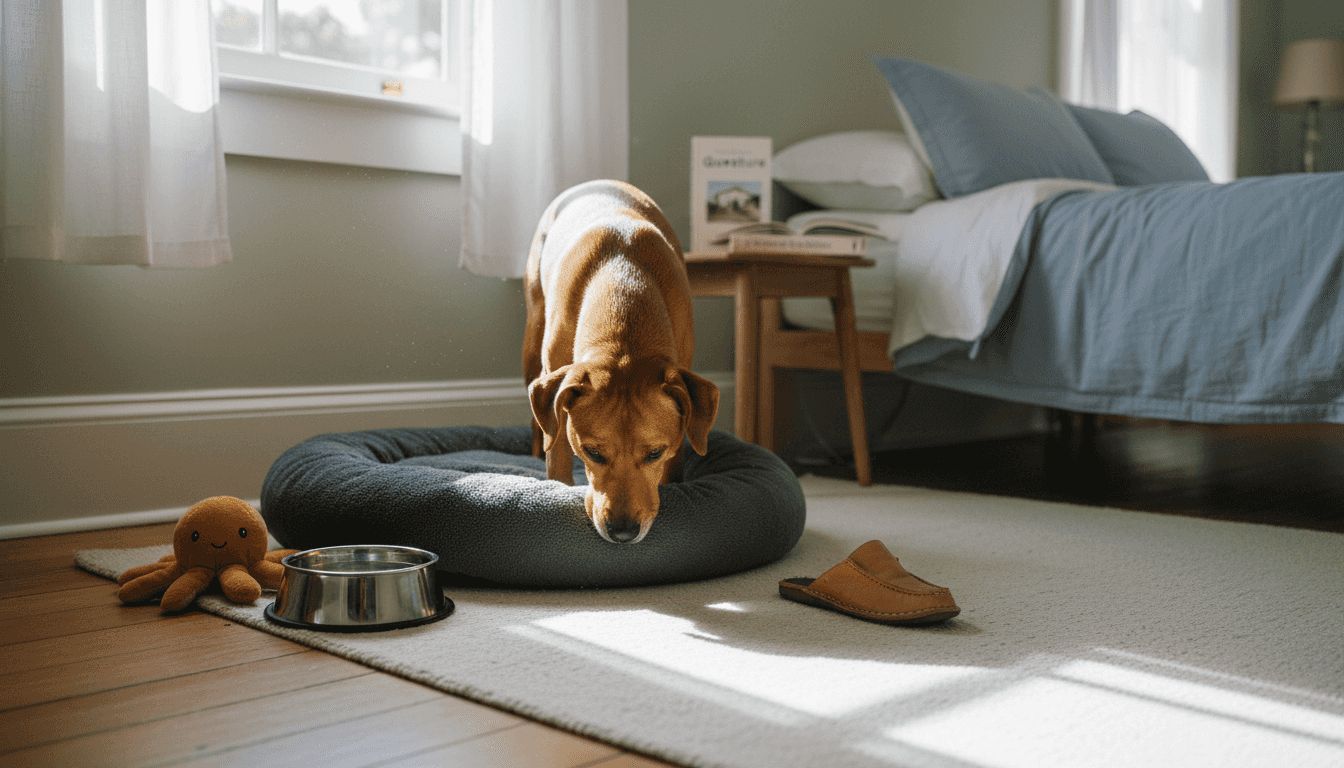
Water and food access must be convenient and hygienic. Set up bowls in an easy-to-clean area, ideally the kitchen or utility room, away from your pet’s sleeping quarters. Check daily that water is fresh and food hasn’t spoiled, particularly in warmer months.
Consider how your pet will access different areas of the property. Pets need clear pathways and shouldn’t be confined to single rooms. Suitable pet amenities and access ensure your pet maintains normal behaviour patterns and stays mentally stimulated throughout the day.
Provide essential supplies and features for daily comfort:
Litter trays or designated toilet areas placed away from food and water
Scratching posts or chew toys to satisfy natural behaviours
Safe resting spots on multiple levels if your pet likes climbing
Window access so your pet can observe the outside world
Exercise space appropriate to your pet’s size and energy levels
A well-established routine with consistent amenity locations helps your pet settle faster and reduces anxiety during the stay.
Think about temperature control too. Ensure your pet isn’t exposed to extreme heat or cold. Provide shaded areas in summer and cosy corners in winter. Open windows safely for ventilation without creating escape routes.
If your pet requires medication or specific care, designate a clean, organised spot for supplies. Keep medications out of reach of other household members or pets, and maintain a clear record of administration times.
Check that your pet has appropriate access to outdoor spaces if needed. Ensure garden gates close securely and that any external areas are regularly checked for hazards like loose debris or escaped garden equipment.
Pro tip: Set up amenities a day or two before your pet arrives, then do a final walk-through to confirm everything’s in place and functioning properly, eliminating last-minute scrambling.
Step 3: Implement clear pet policies and communication
Clear policies and transparent communication prevent misunderstandings and create a stress-free experience for everyone involved. You’ll establish what’s allowed, what’s expected, and how to handle any issues that arise during your pet’s stay. This foundation protects both your pet and the property.
Start by documenting your pet policy in writing. This should cover which types and sizes of pets are permitted, any breed or species restrictions, and the maximum number of animals allowed. Include specific rules about where pets can and cannot go within the property.
Clear pet policies must be accessible and easy to understand. Write them in plain language without confusing legal jargon so guests grasp expectations immediately.
Your policy should address practical matters like these:
Damage responsibility and security deposit implications
Noise limitations regarding barking or other animal sounds
Outdoor area rules for exercise and toileting
Cleaning requirements before checkout
Emergency contact procedures if issues arise
Prohibited behaviours such as leaving pets unattended for excessive periods
Communicate your policy before guests arrive. Send it via email, include it on your listing, and provide a printed copy at check-in. Never assume guests have read or understood your rules.
Transparent communication about expectations upfront prevents disputes and protects your property investment.
Establish open lines of contact during the stay. Provide your phone number and preferred method of communication, whether that’s text, email, or phone calls. Respond promptly to any questions or concerns guests raise about their pet.
Be clear about consequences for policy violations. Explain that excessive damage, continued noise complaints, or serious breaches could result in early departure or additional charges. Frame this as protecting everyone’s experience rather than threats.
Document any incidents or concerns professionally. If a pet causes damage or violates policies, take photographs and keep written records with dates and times. This protects you if disputes arise later.
After checkout, follow up briefly to confirm the property was left clean and undamaged. This reinforces the importance of your policies and gives guests a chance to address concerns before final payment.
Pro tip: Create a simple one-page pet house rules guide and laminate it for each property, placing it on the kitchen counter for easy reference throughout the stay.
Compare methods for sharing pet policies with guests:
Communication Method | Advantages | Drawbacks |
Documented, prior notice | May not be read fully | |
Printed copy in property | Easily referenced on-site | May be overlooked initially |
Policy in online listing | Sets expectations early | Not always up to date |
Verbal at check-in | Immediate clarification | Lacks written record |
Step 4: Verify cleanliness and maintenance standards
Maintaining high cleanliness and maintenance standards is crucial for pet safety and guest satisfaction. You’ll establish regular cleaning routines, inspect the property thoroughly, and address any issues before guests arrive. This protects both your pet and the accommodation itself.
Develop a pre-arrival cleaning checklist specific to pet accommodation. This goes beyond standard turnover cleaning and focuses on areas pets will frequent. Your checklist should include deep cleaning of floors, furniture, and any soft furnishings that may retain odours or allergens.
Pay particular attention to flooring throughout the property. Vacuum carpets thoroughly, paying special attention to corners and under furniture where pet hair accumulates. Mop hard floors with pet-safe cleaning products, ensuring no toxic residue remains that could harm paws or be ingested during grooming.
Proper hygiene standards and cleaning routines directly support animal health and welfare within accommodations. Develop specific procedures for waste disposal, sanitising food and water bowls, and preventing cross-contamination between guests’ pets.
Your maintenance verification should cover these areas:
Food and water bowls cleaned and sanitised between guests
Litter trays or designated toilet areas thoroughly cleaned and refreshed
Pet bedding washed, dried, and replaced with clean items
Soft furnishings vacuumed and treated for odours
Air quality improved through ventilation or air purification
Outdoor spaces checked for hazards and cleaned of waste
Inspect the property before each guest arrives to identify any maintenance issues. Check that all pet safety features remain functional, doors and windows close properly, and nothing has deteriorated since the last inspection.
Regular maintenance checks catch small problems before they become costly repairs or safety hazards.
Establish a maintenance log documenting when cleaning was completed, what was done, and any issues discovered. This creates accountability and helps identify patterns, such as recurring damage to specific items or areas needing more frequent attention.
Consider using professional pet-cleaning services between guests for deep sanitisation. This removes embedded odours, kills bacteria, and maintains standards that impress guests and protect future visitors.
Test all pet amenities regularly. Ensure water bowls don’t leak, bedding remains comfortable, and toys or scratching posts show no signs of wear that could injure pets.
Pro tip: Take dated photographs after each cleaning and maintenance session, creating a visual record that demonstrates your commitment to high standards and protects you if disputes arise.
Ensure Stress-Free Pet-Friendly Stays with Expert Property Management
Managing a pet-friendly rental property comes with unique challenges from assessing safety features and setting up perfect pet amenities to enforcing clear pet policies and maintaining spotless cleanliness. The detailed steps in the “Pet-Friendly Accommodation Checklist for Stress-Free Stays” highlight the importance of protecting your home and keeping your furry guests comfortable and secure. However, juggling all these responsibilities can be overwhelming without professional support.
Guesture offers comprehensive short-term rental management tailored to your needs in South Wales, including expert property setup that covers essential pet safety requirements and amenity arrangements. Our hands-on approach extends to impeccable housekeeping and maintenance management ensuring your property always meets high hygiene and safety standards for pets and owners alike. Experience peace of mind through transparent communication and dedicated guest services designed to create stress-free stays for pet owners and long-term protection for your property.
Discover how Guesture’s professional management can transform your pet-friendly accommodation into a seamless and profitable experience today.
Explore our full range of services and take the next step towards worry-free hosting.
Frequently Asked Questions
What should I assess for pet safety before staying in accommodation?
Before staying in pet-friendly accommodation, inspect both outdoor and indoor spaces for potential hazards. Check for gaps in fencing, poisonous plants, exposed electrical cords, and unstable furniture. Conduct a thorough safety check to ensure a secure environment for your pet.
How can I create a suitable sleeping area for my pet in accommodation?
Designate a quiet, draught-free corner in your accommodation for your pet’s sleeping area. Ensure it’s away from foot traffic and provide a comfortable bed or crate that is appropriately sized for your pet, allowing them to stretch out fully.
What essential amenities should I provide for my pet during their stay?
Ensure your pet has easy access to clean food and water bowls, as well as a designated toilet area or litter tray. Include scratching posts, safe resting spots, and chew toys to keep them comfortable and engaged throughout their stay.
How can I establish clear pet policies to avoid misunderstandings?
Document your pet policy in writing, including rules about pet sizes, maximum numbers, and areas where pets are allowed. Communicate these policies to guests in a clear, straightforward manner prior to their arrival to prevent any disputes.
What cleaning and maintenance standards should I uphold before a pet’s arrival?
Maintain high cleanliness and maintenance standards by developing a pre-arrival cleaning checklist specific to pets. Focus on deep cleaning areas frequented by pets, ensuring that floors, furniture, and any soft furnishings are clean and free of allergens before new guests arrive.
How often should I check pet amenities to ensure they are in good condition?
Regularly inspect all pet amenities, such as food and water bowls, bedding, and toys, before each guest arrives. Implement a routine maintenance schedule that includes thorough checks to ensure everything is functioning correctly and safe for pets.
Recommended


Comments