

7 Steps to the Ideal Pet Travel Checklist for UK Getaways

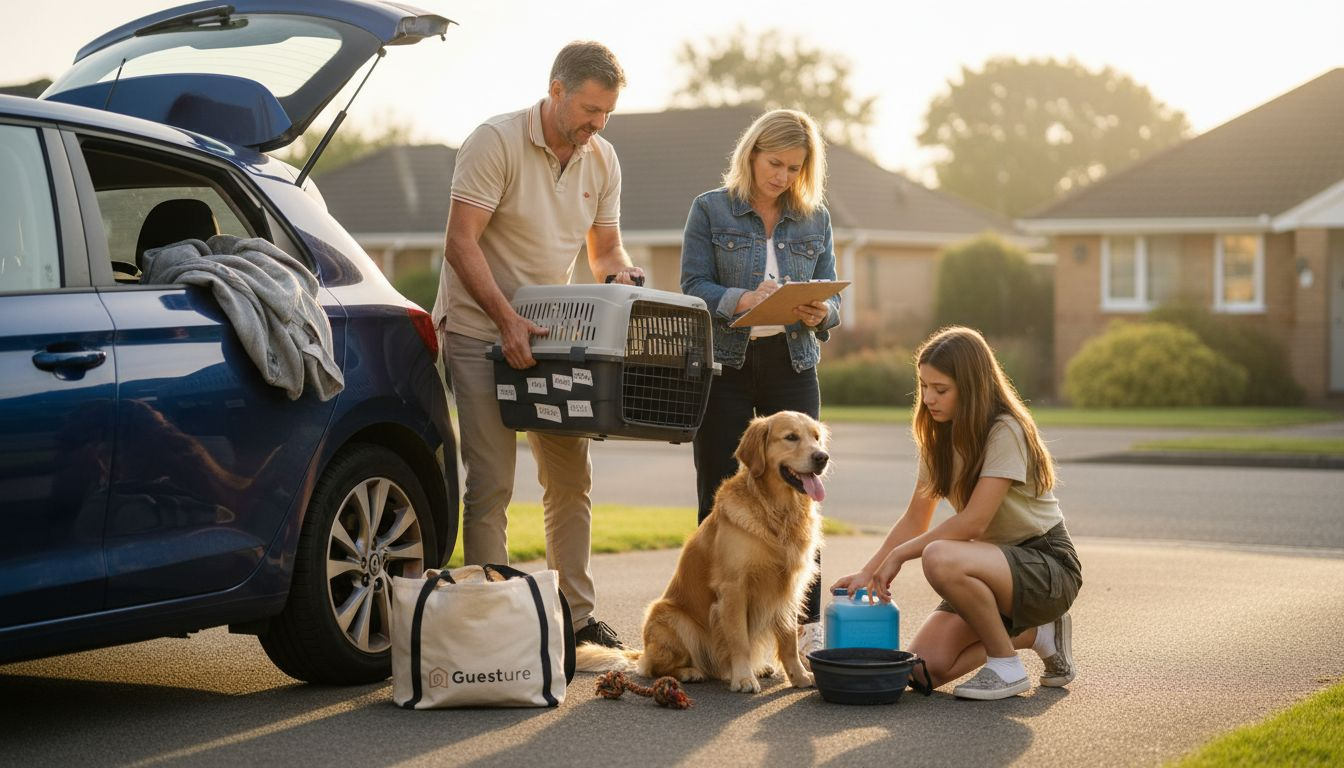
Taking your pet on holiday across the United Kingdom can feel overwhelming when you start to dig into the rules and requirements. Many property owners are hesitant to accept animals, and not every carrier or travel route is designed for your furry companion. If you are not prepared, you might run into refusals at your accommodation, stressful journeys, or unexpected paperwork hurdles.
You deserve clear answers on how to make travelling with your pet safe, compliant, and less stressful. This guide pulls together the exact steps and practical tips you need, from finding a welcoming place to stay to meeting strict British health and travel regulations.
Get ready to discover straightforward ways to protect your pet’s wellbeing, stay on the right side of UK law, and enjoy your trip together with less worry and fewer surprises.
Table of Contents
Quick Summary
Takeaway | Explanation |
1. Research pet-friendly accommodations thoroughly | Check specific policies, restrictions, and additional fees before booking to ensure your pet is welcome. |
2. Plan transport with pet regulations in mind | Choose appropriate transportation modes and ensure compliance with carrier-specific pet travel requirements for a smooth journey. |
3. Prepare essential health and identification documents | Include microchip records, vaccination certificates, and emergency contacts to prevent travel disruptions and ensure safety. |
4. Pack familiar comfort items for your pet | Bringing items like bedding or toys helps reduce anxiety and provides a sense of security in new environments. |
5. Schedule regular breaks for exercise and hydration | Plan stops every 2-3 hours to allow your pet to stretch, hydrate, and relieve themselves, enhancing their travel experience. |
1. Research Pet-Friendly Accommodation in Advance
Planning a holiday with your beloved pet requires strategic preparation, especially when navigating the challenging landscape of pet-friendly accommodations in the United Kingdom. Many rental properties still maintain restrictive policies that can complicate travel plans for pet owners.
The reality is that finding suitable accommodation for your furry companion demands thorough advance research. According to the Society for Companion Animal Studies, pet owners frequently encounter significant challenges when seeking pet-inclusive housing options.
Key strategies for successful pet accommodation research include:
Check specific pet policies before booking
Verify exact pet size and breed restrictions
Understand additional fees or deposits required
Confirm maximum number of pets allowed
Review cleaning and damage expectations
In South Wales, pet travel requires extra planning. Cities like Cardiff and Newport have varying accommodation standards, so detailed investigation is crucial. Some rental properties welcome pets with open arms, while others maintain strict no-pet policies.
When searching for accommodations, prioritise properties that explicitly advertise pet-friendly amenities. Look for details such as:
Designated pet walking areas
Nearby parks or green spaces
Pet-friendly local attractions
Proximity to veterinary services
Special pet welcome packages
Pro tip: Always contact accommodation providers directly to confirm current pet policies and negotiate any specific requirements for your animal companion.
2. Book Suitable Transport for Pets
Transporting your furry companion safely requires careful planning and understanding of UK travel regulations. Pet owners must navigate a complex landscape of transportation requirements to ensure their animals’ comfort and legal compliance.
The United Kingdom has strict guidelines for pet transportation across different modes of travel. Government regulations specify detailed pet travel protocols that every responsible pet owner must understand.
Key considerations for pet transport include:
Choose pet-friendly transportation modes
Verify carrier-specific animal transportation policies
Ensure proper travel documentation
Select appropriate travel containers
Understand legal health requirements
Vehicle Transportation Essentials
When travelling by car, prioritise your pet’s safety and comfort. Recommended strategies include:
Use specialised pet seatbelts or secured travel crates
Maintain comfortable temperature controls
Plan regular rest breaks for hydration and movement
Avoid feeding immediately before long journeys
Keep pets secured to prevent distraction while driving
Proper pet transport planning prevents potential travel complications and ensures your animal’s wellbeing.
Public Transport Considerations
Public transportation requires additional preparation. Many trains, buses, and ferries have specific pet travel restrictions. Always:
Check individual carrier policies in advance
Verify size and breed limitations
Understand additional fees or documentation requirements
Consider peak travel times and potential restrictions
Pro tip: Invest in a sturdy, well-ventilated pet carrier that meets multiple transportation provider requirements and provides maximum comfort for your animal companion.
3. Prepare Essential Documents and Identification
Travelling with pets requires meticulous documentation preparation to ensure smooth entry and compliance with UK regulations. Understanding the intricate requirements for pet identification and travel documents is crucial for a stress-free journey.
Pet travel documentation involves multiple critical components that every responsible pet owner must carefully manage.
Essential Documentation Requirements
Key documents you will need include:
Microchip certification
Rabies vaccination records
Animal health certificates
Veterinary health checks
Travel declaration forms
Proper documentation prevents potential travel disruptions and ensures your pet’s smooth transit.
Identification Preparation
Ensure your pet has robust identification mechanisms:
Updated microchip with current contact information
Secure collar with identification tags
Recent photograph documenting distinguishing features
Emergency contact details attached to carrier
Digital and physical copies of medical records
Travel Document Specifics
Depending on your destination, you might require different documentation:
GB Pet Travel Document for Great Britain and Northern Ireland
EU Pet Passport for specific routes
Animal Health Certificates for non-EU countries
Important Compliance Notes
British authorities have stringent requirements for pet travel. Critical considerations include:
Ensuring microchip is ISO 11784/11785 compliant
Confirming rabies vaccination is current
Obtaining tapeworm treatment for dogs
Verifying all documentation is less than 10 days old
Pro tip: Create a dedicated travel folder with laminated copies of all pet documents and digital backups stored securely in cloud storage for instant access during your journey.
4. Pack Food, Water, and Feeding Supplies
Ensuring your pet remains well-nourished and hydrated during travel is paramount to maintaining their health and comfort. A carefully planned feeding strategy can make the difference between a smooth journey and a stressful experience.
Travelling with pets requires strategic feeding preparation, particularly when venturing across the United Kingdom.
Essential Feeding Supplies
Key items to pack include:
Sufficient familiar pet food
Portable water containers
Collapsible feeding bowls
High-value treats
Measuring cup for precise portions
Sealed food storage containers
Extra food for unexpected delays
Consistent nutrition prevents digestive upset and maintains your pet’s wellbeing during travel.
Hydration Strategies
Water Management Considerations:
Bring multiple water sources
Use insulated water bottles
Pack electrolyte supplements
Calculate daily water requirements
Identify potential water refill locations
Feeding Routine Maintenance
Maintaining your pet’s regular feeding schedule is crucial. Consider these strategies:
Pack exact quantities of regular food
Avoid introducing new food during travel
Schedule feeding times similar to home routine
Carry familiar treats for positive reinforcement
Pack compact feeding accessories
Travel-Specific Feeding Gear
Invest in compact, multipurpose feeding equipment:
Collapsible silicone bowls
Leak-proof water bottles
Compact treat pouches
Lightweight feeding mats
Portable food storage solutions
Pro tip: Portion and package your pet’s food in individual daily servings using resealable bags to simplify feeding and prevent overfeeding during your journey.
5. Bring Comfort Items and Bedding
Navigating unfamiliar environments can be stressful for pets, making familiar comfort items essential for a successful journey. Understanding how to create a sense of security can transform your pet’s travel experience from anxious to relaxed.
UK pet travel guidance emphasises familiar bedding as a crucial strategy for reducing travel stress.
Psychological Benefits of Comfort Items
Key advantages include:
Reduces anxiety in new environments
Provides sense of home continuity
Maintains familiar scent and routine
Helps pets feel safe and protected
Minimises potential behavioural stress reactions
Familiar items are your pet’s emotional anchor during travel adventures.
Essential Comfort Item Checklist
Recommended items to pack:
Home bedding or blanket
Favourite plush toy
Comfort blanket with home scent
Soft travel bed
Familiar chew toy
Portable pet blanket
Scent Transportation Strategies
Maintaining Familiar Smells:
Pack unwashed bedding
Include recently worn clothing item
Use same blanket in carrier and accommodation
Avoid washing comfort items before travel
Layer items with home environment scent
Crate and Carrier Comfort
Ensure maximum comfort by:
Lining carrier with soft familiar fabric
Adding multiple comfort layers
Ensuring proper ventilation
Creating cosy, enclosed spaces
Using lightweight, washable materials
Pro tip: Introduce travel bedding at home before your trip to help your pet associate the item with safety and comfort, making the actual journey much less stressful.
6. Organise Pet Health and Emergency Supplies
Emergencies can strike unexpectedly during travel, making a comprehensive pet health and emergency kit absolutely crucial for responsible pet owners. Preparation is your best defence against potential health challenges and unexpected situations.
UK pet emergency planning requires strategic preparation to ensure your animal companion’s safety and wellbeing.
Emergency Kit Essentials
Critical items to include:
Current medications
First aid supplies
Veterinary contact details
Identification documents
Spare leads and harnesses
Recent pet photographs
Microchip and vaccination records
A well-prepared emergency kit can be a lifesaver during unexpected travel complications.
Health Documentation Preparation
Key Documentation Considerations:
Digitally backup medical records
Carry physical copies of vaccination history
Include veterinarian contact information
List emergency animal hospitals
Maintain updated identification details
First Aid Supplies Checklist
Essential first aid items:
Sterile gauze pads
Self-adhering bandage wrap
Antiseptic wipes
Tweezers
Saline solution
Pet-safe pain relief
Digital thermometer
Disposable gloves
Medication Management
Prepare medication supplies by:
Packing sufficient prescribed medications
Carrying original prescription labels
Including medication administration instructions
Storing medicines in cool containers
Tracking medication expiration dates
Pro tip: Create a digital emergency folder with scanned copies of all important pet documents and store it securely in cloud storage for instant access during unexpected situations.
7. Plan for Breaks and Exercise Stops
Travelling with pets requires thoughtful planning of regular breaks to maintain their physical and mental wellbeing. Understanding how to manage exercise and rest stops can transform a potentially stressful journey into an enjoyable experience.
UK pet travel guidelines recommend strategic breaks to support animal comfort and health.
Break Frequency Guidelines
Recommended break intervals:
Every 2-3 hours for most pets
15-20 minute stops for stretching
Frequent water and toilet opportunities
Short walking sessions
Controlled exploration time
Planned breaks reduce travel stress and support your pet’s physical needs.
Exercise Stop Strategies
Key Break Management Considerations:
Select quiet rest areas
Avoid high-traffic locations
Choose safe walking spaces
Bring long-line lead
Carry waste disposal bags
Monitor pet’s energy levels
Allow controlled sniffing time
Safe Break Location Selection
Criteria for ideal break locations:
Minimal traffic noise
Grassy or soft ground surfaces
Secure perimeter
Away from busy roads
Space for movement
Low stress environment
Clean surroundings
Break Time Activities
Productive break activities include:
Gentle walking
Light stretching exercises
Hydration breaks
Toilet opportunities
Mental stimulation games
Calm interaction
Energy level assessment
Pro tip: Use a pet fitness tracking app to monitor your animal’s activity levels and ensure appropriate exercise during travel breaks.
Below is a comprehensive table summarising the main strategies and tips for successfully travelling with pets in the United Kingdom as discussed in the provided article.
Category | Key Tips and Strategies | Benefits and Outcomes |
Researching Accommodation | Check policies, verify restrictions, confirm fees, prioritise amenities | Ensures suitable lodging and avoids unexpected surprises |
Planning Transport | Choose pet-friendly modes, verify policies, ensure documentation | Safe and lawful transport tailored to pet needs |
Preparing Documents | Include microchip, vaccination, health certificates, identification | Facilitates smooth transit across borders and compliance |
Packing Essentials | Prepare food, water, bowls, treats, and feeding schedules | Maintains pet health and comfort during travel |
Comfort Items | Bring bedding, toys, familiar scents, and associated accessories | Reduces stress and increases pet relaxation |
Health Supplies | Assemble a medical kit with medications and contact info | Preparedness for emergencies |
Breaks and Exercise | Schedule regular activity stops, select safe environments | Supports physical wellbeing and reduces journey stress |
Make Your Pet-Friendly UK Getaway Truly Worry-Free with Guesture
Navigating the challenges of pet-friendly accommodation in South Wales can be overwhelming when preparing for a UK getaway with your furry companion. From securing the right property that welcomes your pet to ensuring compliance with local regulations and managing seamless guest communication, every detail counts. You want to focus on creating joyful memories without feeling burdened by the complexities of property management or last-minute surprises about pet policies.

At Guesture, we specialise in short-term rental management across Cardiff, Newport, and surrounding areas, offering hands-on support that transforms property hosting into a smooth experience. Our expertise in professional listing optimisation highlights pet-friendly amenities clearly, so guests like you can find the perfect place that suits your travelling pet’s needs. With meticulous maintenance management and thorough compliance checks, we ensure properties stay safe and welcoming for your entire family. Ready to plan your next stress-free pet-friendly holiday Get all the details at Guesture and let us take care of the rest.
Frequently Asked Questions
How can I find pet-friendly accommodation for my trip?
To find pet-friendly accommodation, start by researching options that specifically advertise welcoming pets. Check details such as size restrictions, additional fees, and nearby pet amenities to ensure a comfortable stay for your furry companion.
What documents do I need to travel with my pet in the UK?
You will need essential documents like microchip certification, vaccination records, and an animal health certificate. Prepare these documents in advance to avoid any travel disruptions on your journey.
What should I pack for my pet’s travel needs?
Pack familiar pet food, portable water containers, and comfort items like a favourite toy or bedding. Ensure all items are organised in an easily accessible way for when you take breaks during your trip.
How often should I take breaks for my pet during travel?
Plan to take breaks every 2–3 hours to allow your pet to stretch, hydrate, and relieve themselves. Schedule short stops of 15–20 minutes to promote their overall wellbeing during long journeys.
What should I include in my pet’s emergency kit when travelling?
An emergency kit should include current medications, first aid supplies, and identification documents. Prepare these items before your trip to ensure your pet’s safety and health in case any unexpected situations arise.
How can I ensure my pet’s comfort during travel?
To maximise comfort, bring familiar items that carry your pet’s scent and ensure proper ventilation in their carrier. Introduce these items at home before departure to help your pet associate them with safety.
Recommended
Explore Together: Pet-Friendly Holidays with AirFreedom and Tractive GPS
Dog-Friendly Stays with AirFreedom: Everything Your Pup Needs, On Request
Dog-Friendly Vacation Rentals in Cardiff: Explore with Your Furry Friend
Travelling with Your Dog in South Wales? Find Your Perfect Pet-Friendly Stay
7 Essential Steps for a Complete Apartment Maintenance Checklist - Guestly Homes


Comments